 Yoga Practice
Bow Pose (Dhanurasana)
What is Dhanurasana (Bow Pose)?
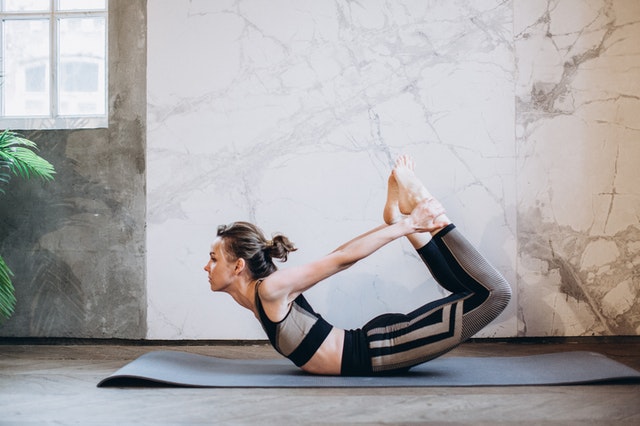
Dhanurasana takes its name from the bow-like shape the body forms during the pose — “dhanur” means bow and “asana” means posture. It belongs to the Padma Sadhana family of postures and is also known simply as Dhanu-asana.
How to Practice Dhanurasana
- Lie on your stomach with your feet hip-width apart and your arms resting alongside your body.
- Bend your knees and bring your heels toward your hips, then reach back and hold your ankles with your hands.
- Inhale and lift your chest off the floor while drawing your legs up and back.
- Keep a soft smile and gaze forward.
- Hold the pose steadily while breathing evenly — your body should now resemble a taut bow.
- Take slow, deep breaths as you rest in the pose.
- Only go as deep as feels comfortable — never overstrain the body.
- After 15-20 seconds, exhale and gently lower your chest and legs back to the floor, releasing your ankles as you relax.
Benefits of Dhanurasana
- Strengthens the back, spine, and abdominal muscles.
- Helps balance the reproductive organs.
- Relieves tightness in the chest, neck, and shoulders.
- Tones the muscles of the arms and abdomen.
- Improves flexibility of the spine.
- Relieves stress and fatigue.
- Eases constipation and menstrual discomfort.
- Supports healthy kidney function.
Contraindications
- Avoid this pose if you have high or low blood pressure, a hernia, back pain, headaches, migraines, a neck injury, or have recently had abdominal surgery.
- Pregnant women should not practice Dhanurasana.